

- On-chain data shows widespread weak-hand selling, with long-term holder supply dropping to an eight-month low near 14.3M BTC, a pattern historically linked to mid-cycle shakeouts rather than cycle tops.
- Bitcoin faces short-term volatility as markets await U.S. CPI data, with inflation still above the Fed’s 2% target despite three rate cuts in 2025.
- While sentiment and volume have collapsed, institutional adoption continues quietly, suggesting current price action reflects capitulation noise, not structural breakdown.
Bitcoin price has risen 0.4% in the last 24 hours to trade at $86,966, despite correcting nearly over 30% in recent weeks, and triggering widespread liquidations and weak-hand selling.
Traders now brace for volatility today with the U.S. CPI report for November due at 8:30 a.m. ET. Current headline CPI stands at 3.1%, with core at 3.0%, figures still above the Fed’s 2% target.
On-chain Analysis Shows Holder Capitulation
The Glassnode chart tracks the 7-day moving average of Bitcoin supply held in profit or loss by long-term holders (LTH, typically coins held over 155 days) and short-term holders (STH). Green circles highlight key periods of large-scale capitulation, where significant supply shifts into loss.
Historically, these spikes occur during mid-cycle corrections, late bear markets, or deep consolidations—not at cycle tops. At peaks, most holders are in profit. Here, the opposite plays out: fear drives forced selling from weak hands.
Recent data aligns with this pattern. LTH supply has dropped to an eight-month low of around 14.3 million BTC, signaling ongoing distribution. Yet analysts view this as a shakeout of weaker holders, clearing the way for stronger hands rather than a cycle end.
Fed Cuts and Lingering Inflation Pose Concern
The Federal Reserve recently delivered its third rate cut of 2025, lowering the federal funds rate to 3.5%-3.75%. Officials remain divided on 2026 moves, with markets pricing in limited further easing as short rates approach the perceived neutral level near 3.2%.
Inflation persists as a concern. Core PCE runs at 2.8%, and broader measures show the “inflation dragon” not fully slayed. Fidelity charts illustrate monetary policy shifting from hawkish to neutral, while overall liquidity trends higher—potentially supportive for risk assets like Bitcoin in 2026.
Short-Term Noise vs. Long-Term Signal
Near-term pressures mount amid potential Bank of Japan rate hikes, a CME death cross, collapsed volume, and rinsed weak hands. Consequently, social interest has plunged.
However, on the bullish side, institutions accelerate adoption. JPMorgan now accepts BTC and ETH as loan collateral. Banks, sovereigns, and funds quietly accumulate. Traditional finance rebuilds crypto rails.
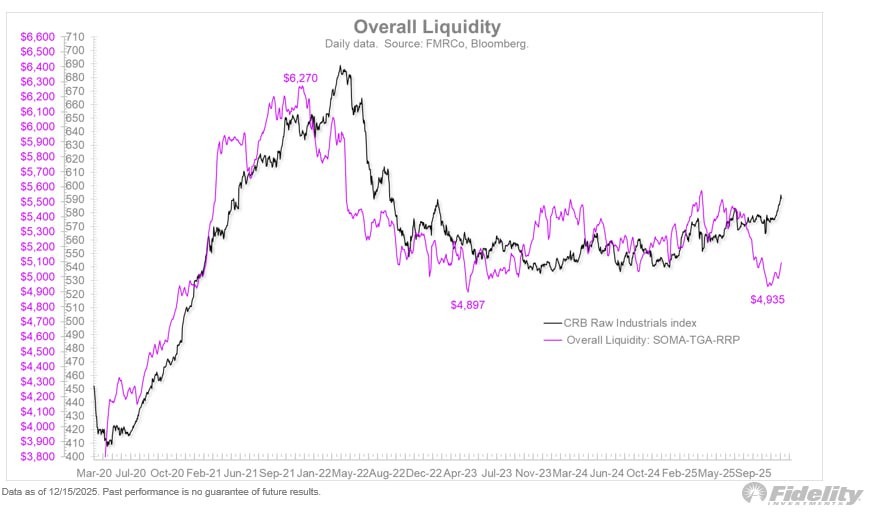
Analysts call this choppy phase “noise,” while long-term trends point to massive liquidity and adoption gains ahead.
The current capitulation mirrors historical bottoms, not tops. With macro liquidity rising and institutional inflows building, many see this correction as a healthy reset before the next leg up.
What’s your Reaction?
+1
2

+1
0

+1
0

+1
0

+1
0

+1
0

+1
0