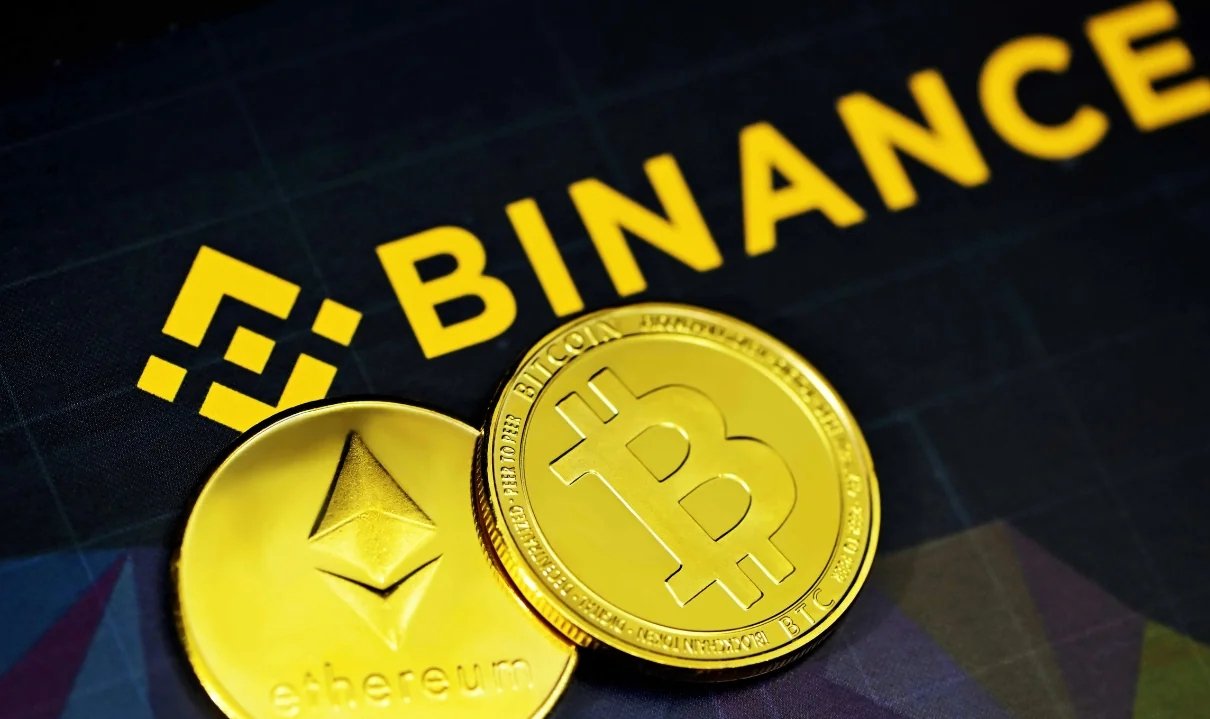
Binance has been accused of allowing suspicious accounts to continue trading on its platform even after the 2023 plea deal it struck with the United States government. According to findings published by Financial Times, Binance let hundreds of millions in crypto move through shady accounts after its $4.3 billion criminal plea deal in 2023.
The findings noted that some of the accounts (some linked to terrorist networks, others showing impossible login behavior or KYC failures) remained active, with one Venezuelan in particular reportedly pushing $93 million through his Binance account, with parts of the funds traced to Iran and Hezbollah. The Binance accounts came from Venezuela, Brazil, Syria, Niger, and China.
FT also claimed that some users allegedly logged in from Caracas and Osaka within hours, changing banking details around 647 times in just 14 months. “A common automated process at financial institutions is to screen for irregular ‘pass-through’ behaviour, such as when funds deposited into an account are transferred out again within 24 hours in a manner that is potentially suspicious,” said FT.
Binance accounts showed alleged suspicious activity
The Financial Times claims it investigated about 13 different Binance accounts and allegedly discovered suspicious flows of $1.7 billion in crypto, including $144 million after November 2023, the same day Binance agreed to the deal. One Venezuelan woman, who registered on Binance in 2022, received over $177 million in crypto in under two years, allegedly using 496 different bank accounts to off-ramp funds across the continent.
The findings claimed that the 13 accounts received at least $29 million in USDT from wallets later frozen by Israel under anti-terrorism laws. Most of that came from four wallets tied to Tawfiq Al-Law, who was accused of funneling money for Hezbollah, the Houthis, and a Syrian firm connected to the Assad regime. The connected wallets were seized in May 2023 and sanctioned by the US Treasury in March 2024.
In another case, a man from Brazil registered with a damaged ID card from 20 years ago, where his date of birth was unreadable. The email on file also belonged to a completely different woman. He was later charged with helping a group that smuggled illegal gold after he stopped at the Venezuelan border with $50,000 in cash. He told guards it was to “buy sausages from a Chinese acquaintance.”
His Binance account showed he received $16 million, with at least $5 million tied to the Al-Law wallets. Binance documents showed the man’s net worth at $400,000, but he withdrew $4 million in hard currency before going inactive in late 2022. The account, however, stayed open into 2025. Carter-Ruck, Binance’s legal team, said: “Any suggestion that our client has knowingly facilitated bad actors in criminal conduct is also baseless.”
They also claimed none of the wallets were marked for terror financing at the time and insisted no alerts were triggered by major blockchain tracking tools. Former CEO Changpeng Zhao, better known as CZ, was pardoned by President Trump in October after being charged with “willfully violating anti-money-laundering laws.” The White House defended the pardon, saying Trump was correcting overreach by the Biden administration in its “war on cryptocurrency.”