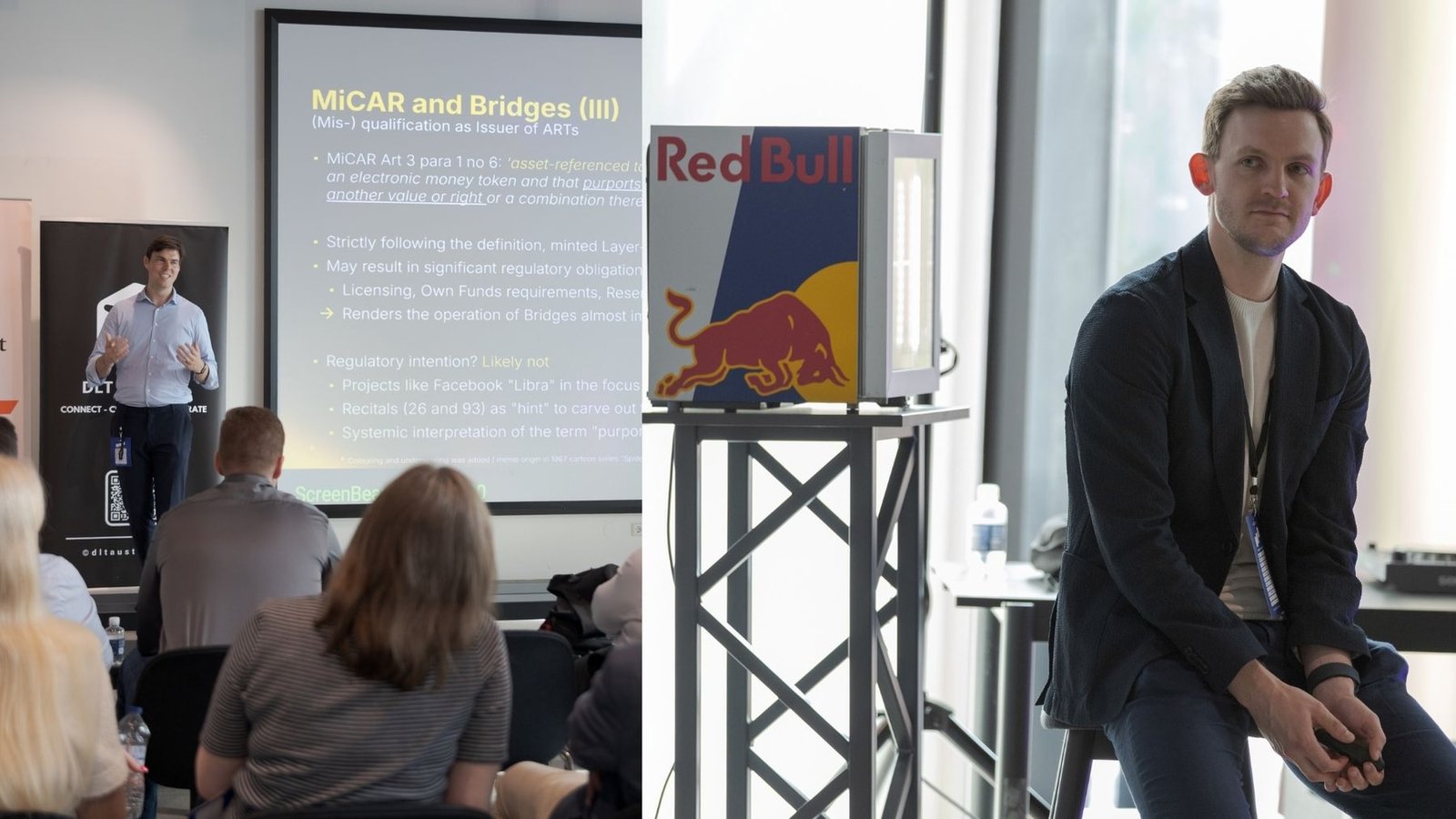
As blockchain technology evolves, cross-chain infrastructure has become a key component in addressing scalability, cost, and interoperability challenges. Layer 2 solutions, bridges, and governance structures promise efficiency and innovation but also raise complex regulatory questions. The regulatory framework for such technical infrastructure remains uncertain, particularly in the European Union under MiCA (Markets in Crypto-Assets Regulation). This uncertainty poses significant implications for developers, service providers, and investors alike.
Layer 1, Layer 2, and the Scalability Challenge
The blockchain trilemma—balancing decentralization, security, and scalability—remains a persistent challenge. Layer 1 blockchains such as Ethereum provide strong security and decentralization but struggle with transaction throughput and costs. Layer 2 chains aim to solve this by leveraging Layer 1 security while enabling faster and cheaper transactions. Rollups and zero-knowledge rollups are the most prominent models, using advanced cryptographic methods to batch or compress transactions. However, despite their technical sophistication, many Layer 2 solutions begin with centralized operational structures before transitioning toward decentralization, raising both governance and regulatory concerns.
The Role of Bridges
Bridges connect Layer 1 and Layer 2 networks, enabling the transfer of assets and information across chains. Technically, a bridge locks assets in a smart contract on Layer 1 and mints a corresponding representation on Layer 2. While this improves usability and liquidity, it introduces new risks. Bridges are often managed by independent developer groups or third parties, and many rely on centralized governance in their early stages. Emergency mechanisms such as kill switches or upgrade keys further complicate the question of who ultimately controls the infrastructure.
Decentralization Versus Control
A central challenge lies in defining decentralization. Fully decentralized protocols might fall outside traditional regulatory frameworks, but the reality of bridges and Layer 2 governance is rarely absolute. Most projects retain some form of operational control, whether through security councils, multisignature setups, or emergency override mechanisms. While such controls can enhance security against hacks or malfunctions, they also reinforce the argument that these systems are not fully decentralized—and therefore could be subject to regulatory oversight.
Potential Regulatory Classifications
Bridges raise the question of whether their operation falls under existing categories of regulated services. Depending on their design and function, bridges could potentially be classified as:
- Custody services: if assets are locked in smart contracts managed or controlled by operators.
- Exchange services: if the process of minting and redeeming assets is interpreted as an exchange.
- Transfer services: if the bridge facilitates the sending of assets between users or wallets.
The broad definition of “transfer services” in MiCA makes it particularly likely that bridge operators could fall into this category, creating licensing obligations.
Asset-Referenced Token Debate
An additional regulatory question concerns whether Layer 2 “bridged” tokens could be considered asset-referenced tokens. Because they are minted representations of locked Layer 1 assets, they may appear to fall within this category. If interpreted this way, bridges would face significant obligations, including licensing, reserve requirements, and strict compliance standards. However, it is unlikely that EU legislators originally intended to capture technical Layer 2 bridging mechanisms in the same category as stablecoins or global payment tokens. Still, the lack of clarity creates ongoing uncertainty for developers and users.
The Role of Regulatory Guidance
MiCA includes provisions suggesting that purely technical services linked to consensus mechanisms should not be regulated. This could provide a basis for excluding bridges from licensing obligations, but the interpretation remains open. Clear guidance from regulators will be crucial to distinguish between technical infrastructure and financial services. Without such guidance, developers face the risk of unintentionally operating regulated services without licenses, while regulators risk stifling innovation through ambiguity.
Governance Structures and Autonomy
The discussion also highlights the importance of governance structures. Even projects with native tokens and decentralized voting often retain some form of centralized veto power or upgrade rights. This raises the question of whether the debate is less about “decentralization” in the abstract and more about “autonomy.” The degree of autonomy a protocol or bridge has from its creators and operators may ultimately determine its regulatory classification.
Outlook
Cross-chain infrastructure is indispensable for the growth of the blockchain ecosystem, but its regulatory treatment is unresolved. As bridges and Layer 2 solutions continue to expand, regulators will need to clarify whether such infrastructure falls under existing service categories or remains outside their scope as purely technical mechanisms. Until then, legal uncertainty will persist. Market participants should prepare for the possibility of licensing obligations while engaging in the broader dialogue about how decentralization, governance, and regulatory oversight can coexist.
What’s your Reaction?
+1
0
+1
0

+1
0

+1
0

+1
0

+1
0

+1
0