
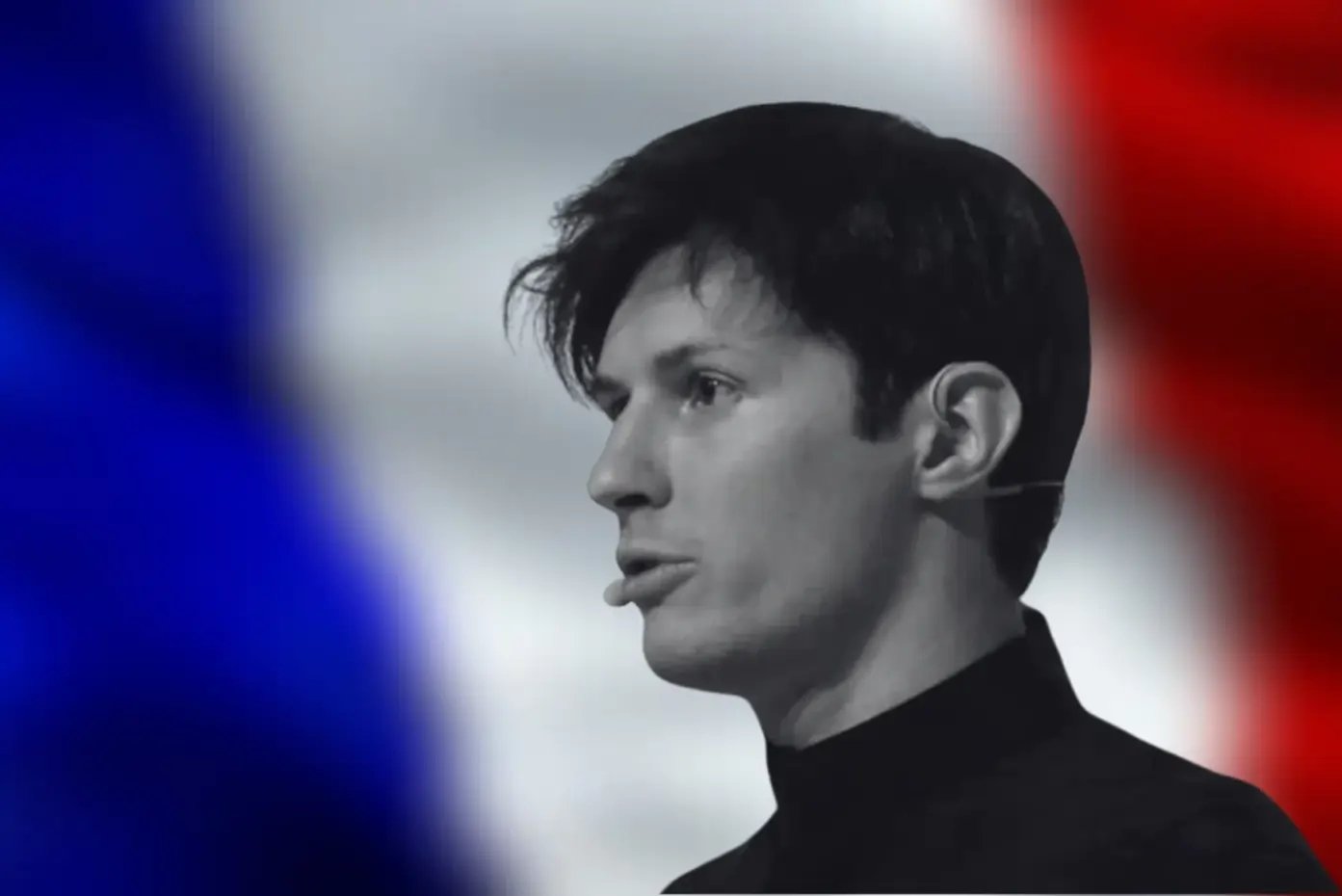
Founder and CEO of Telegram, Pavel Durov, has reportedly claimed that French intelligence services asked him to censor some Telegram channels for the Moldovan government.
Durov, who was incarcerated at the time in Paris, claimed they asked him to assist in that regard ahead of the 2024 presidential elections in Moldova. France has vehemently denied similar accusations made by Durov, noting that there was no request for censorship for Romanian conservative voices ahead of elections.
Pavel Durov fingers French intelligence services
According to Durov, the request came via an intermediary, and they had a list of channels that they wanted the platform to take down. He claimed that in line with the platform’s doings, they looked into the said channels and identified a few that were in clear violation of the rules and promptly removed them. Durov claimed that the action, at the time, was carried out as part of their duties.
However, Durov claimed that the intermediary started to behave sneakily, offering him a quid pro quo. He claimed that they promised to whisper good things about him to the Judge in charge of his case at the time if he would continue to cooperate with them. The move did not impress Durov, who claimed it was an improper attempt to influence the French Judiciary or exploit his legal vulnerability to sway Eastern European politics.
Durov said it was unacceptable on several levels, highlighting that the same pattern has been observed in Romania. “Shortly thereafter, the Telegram team received a second list of so-called ‘problematic’ Moldovan channels,” Durov wrote on X. “Unlike the first, nearly all of these channels were legitimate and fully compliant with our rules. Their only commonality was that they voiced political positions disliked by the French and Moldovan governments.”
In his statement, Durov said that Telegram refused to act on the request and will most likely not in the future, considering the platform under his leadership has emphasized its commitment to free speech and will not remove content for political reasons. Durov ended the write-up by vowing to keep exposing “every attempt to pressure Telegram into censoring our platform.” “Stay tuned,” he wrote as if promising more bombshell revelations in the future.
The French foreign ministry was quick to put out a disclaimer, dismissing Durov’s claims. They said they were “unfounded allegations,” and labeled them “merely a diversionary maneuver from the real threats of interference targeting Romania.” In addition, the DGSE confirmed that officials indeed held meetings with Durov on several occasions to remind him firmly of his company’s responsibilities concerning terrorist and child pornography threats.